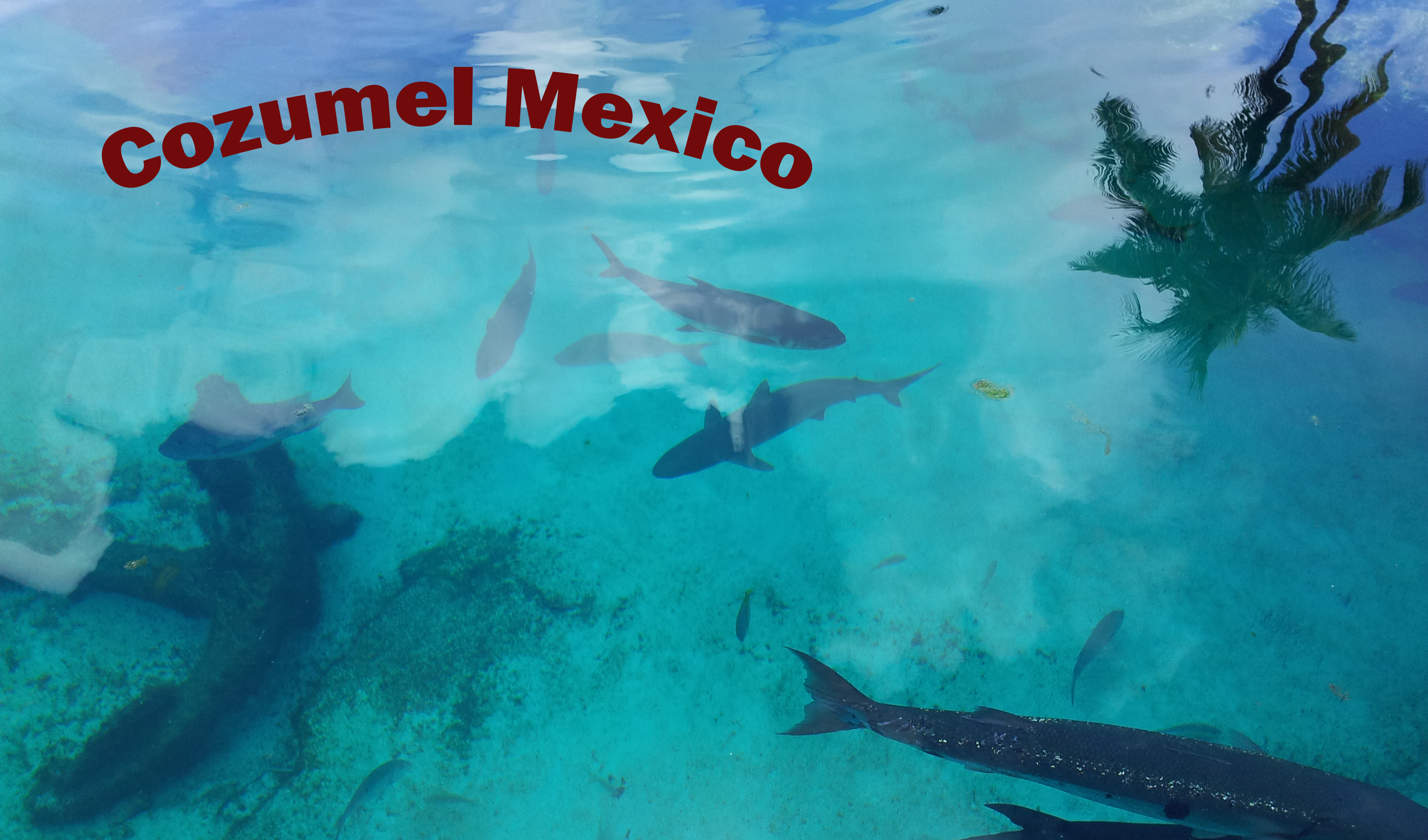
The history of Cozumel Mexico
The name Cozumel (Isla Cozumel) means "Land of the Swallow" in Mayan, and was named so due to the indigenous, graceful birds that can be seen regularly patrolling Cozumel's beautiful beaches and coastline. Cozumel was settled roughly 2000 years ago by ancient Mayans, a seafaring people, who saw Cozumel as a commercial trading stop as well as a sacred shrine.
The island of Cozumel was a mecca to Mayan women who made the voyage from the mainland to Isla Cozumel in large dugout canoes to worship Ix Chel, the Goddess of fertility. Leaving the mainland from what is now Playa del Carmen and Tulum, Mayan women crossed the treacherous channel in open canoes to give offerings at the alter site of Ix Chel. What remains now of the altar and ceremonial center of Ix Chel can be seen at the San Gervasio ruins site near the center of the island.
It was Spanish Conquistador Juan de Grijalva who first discovered Cozumel in 1518 as he was blown off course during a journey to Cuba. Grijalva left a golden statue as a gift when he departed which now resides in the downtown San Miguel Cathedral.
Shortly thereafter, the infamous Spanish conqueror Hernán Cortés found his way to Isla Cozumel in 1519 and with his influence, which included the destruction of the many temples and the spread of the smallpox disease, Cozumel's inhabitants went from 40,000 to just 30 people by 1570. Cozumel's ancient Mayan civilization lied in ruins, and by 1600 Cozumel was uninhabited.
By the early 17th century pirates had discovered Cozumel and used it as a safe harbor. Legendary pirate Henry Morgan frequently used Cozumel as a stopover during his raids around the Caribbean between 1658 to 1688. Later on in the early 1800's, another famous Caribbean pirate Jean Lafitte, hid from his pursuers in the waters near Cozumel as well. But in general, Cozumel remained uninhabited until 1847, when a few families fleeing the Spanish backlash over the Maya rebellion during the War of the Castes settled on the island.